About Rafi Haikal
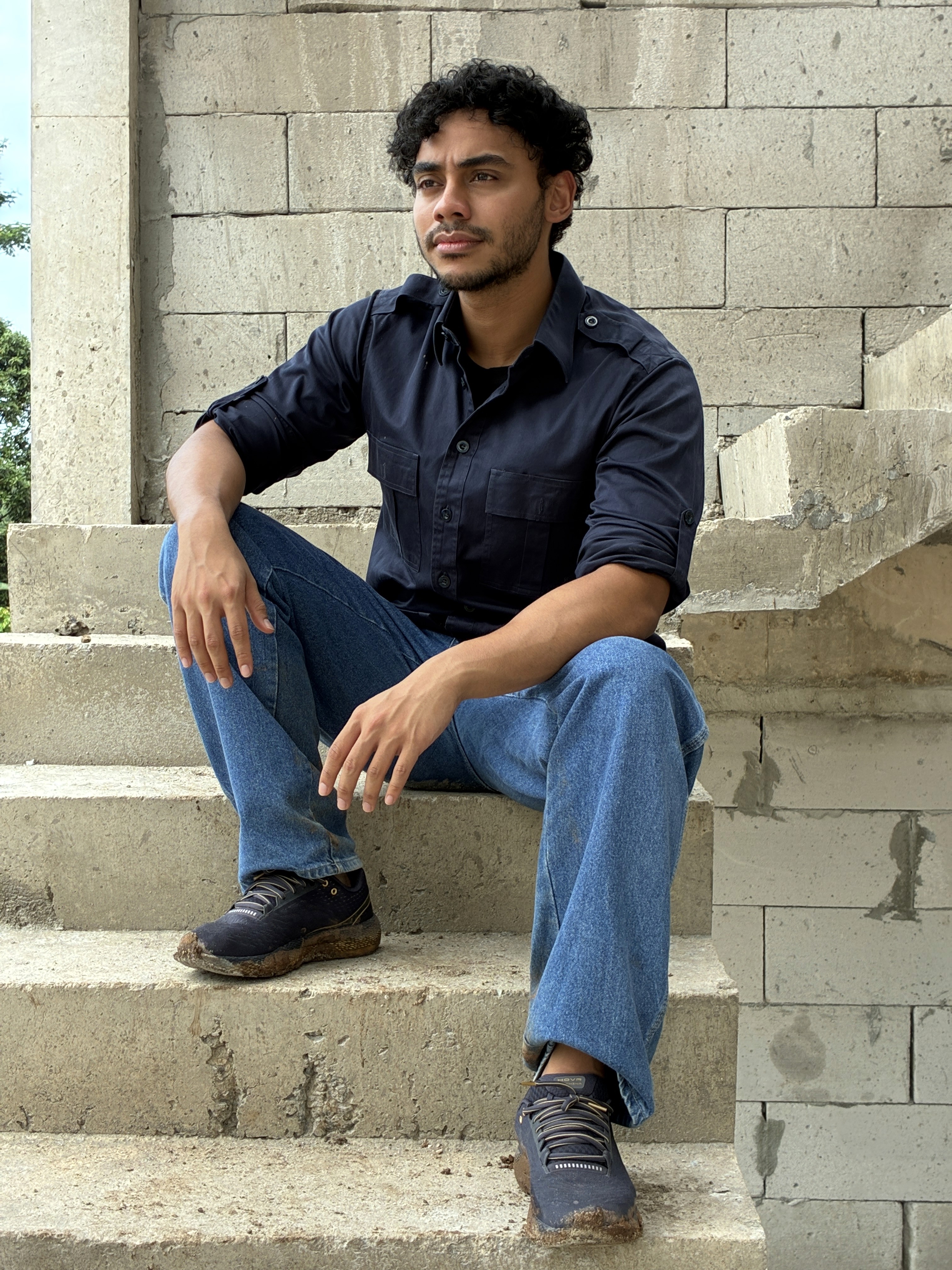
Born in Jakarta, Indonesia, Rafi Haikal studied architecture at Pratt Institute in New York.
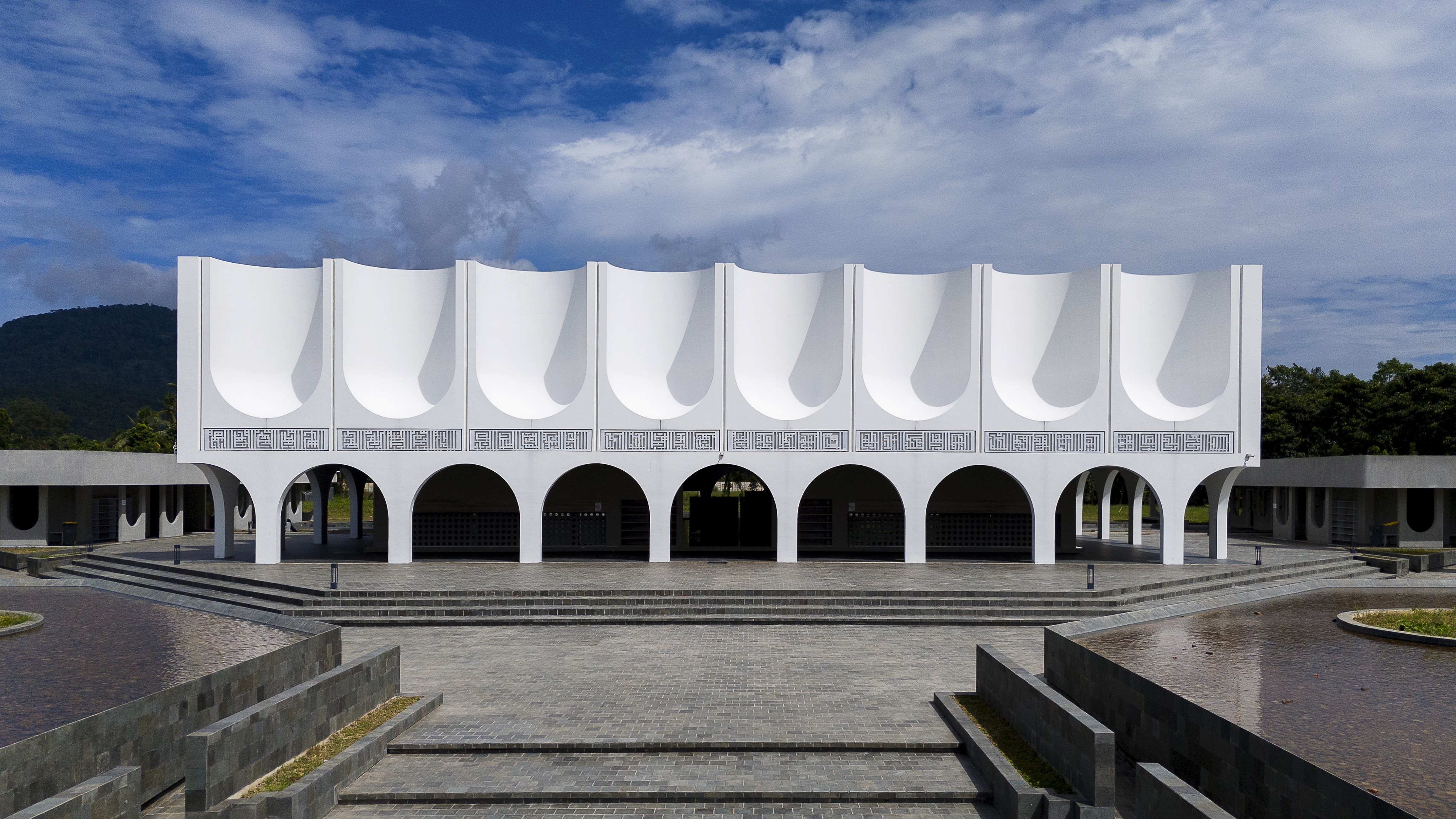
He currently serves as President Commissioner and Principal Architect at PT Urbahn Architects International PMA, the Indonesian affiliate of Urbahn Architects (New York). In this role, he leads design and business development across major civic, educational, hospitality, and mixed-use projects.
Haikal also serves as Vice President of the Indonesian Chapter of FIABCI, the International Real Estate Federation.
His work bridges architecture, urban planning, and policy, emphasizing sustainable development and cultural continuity. His peer-reviewed article, “Urban Planning Policies and Architectural Design for Sustainable Food Security: A Case Study of Smart Cities in Indonesia” (Sustainability, 2025), examines how design can strengthen urban food systems and infrastructure resilience.
Haikal has received multiple national and international awards, including recognition from FIABCI Indonesia and Tempo Media for his contributions to accessibility in design and sustainable urban development.
Beyond practice, he contributes actively to academic and professional discourse, advocating for contextual building codes, youth-led urban design laboratories, and participatory smart-city frameworks across Indonesia.
Looking ahead, Haikal envisions architecture as a framework for nation-building—one that unites policy, design, and community. He aims to establish a youth-led Urban Design Lab in Indonesia that merges academic research with real-world impact, empowering emerging designers to prototype equitable, climate-resilient urban spaces. His long-term vision extends beyond architecture itself: to create contextual design systems, participatory smart-city frameworks, and regional collaborations that position Southeast Asian cities as models of sustainable, human-centered growth.
Team
At UAI, our strength lies in collaboration. With 99% of our team based in Indonesia, we demonstrate that world-class architecture can be homegrown. The studio combines local insight with international experience, creating a platform where Indonesian talent can stand shoulder to shoulder with global counterparts.
This collective spirit enables us to take on projects that are complex in scale yet sensitive to culture and context. Our team thrives on dialogue, research, and innovation—bridging technical precision with bold ideas.
Vision
For me, architecture and urban design are tools for nation-building. Indonesia does not need to replicate New York or any other city, but we can learn from global best practices—structure, regulation, and intentional design—and adapt them to our own context.
The future of Indonesian cities depends on three priorities:
Equitable infrastructure that supports movement, access, and resilience.
Integrated urban planning that connects food systems, energy, and water within city design.
Spaces that honor heritage while embracing growth.
I see smart cities not as technological showcases, but as living systems—where planning, design, and policy intersect to secure food, water, and energy for generations to come.